
Device layer
L-DBA
Driver Behaviour Analysis
On-device AI reads driving signals — motion, position, context — and builds a multi-pattern behaviour profile right where the data is created. Raw data stays on the hardware.
Technology
On-device AI builds a behaviour profile where the data is created. A network layer turns anonymised signals from many vehicles into live road, fleet, and network intelligence.
01 — The two layers
Two internal layers do the work. One runs on the vehicle; one runs across the fleet. Neither needs the driver's raw data to leave the device.
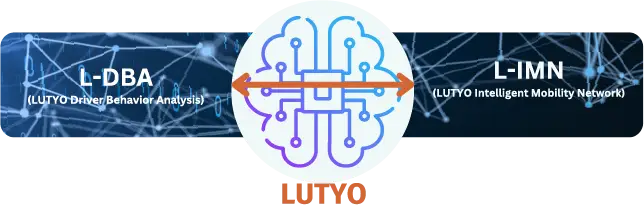
Device layer
L-DBA
On-device AI reads driving signals — motion, position, context — and builds a multi-pattern behaviour profile right where the data is created. Raw data stays on the hardware.
Network layer
L-IMN
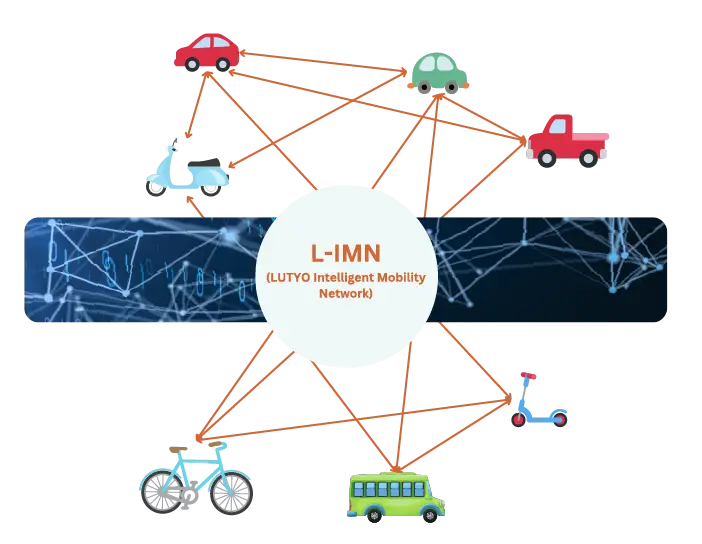
Anonymised signals from many vehicles come together into a live picture of fleet risk, road conditions, and network behaviour. Patterns, never people.
02 — The signal journey
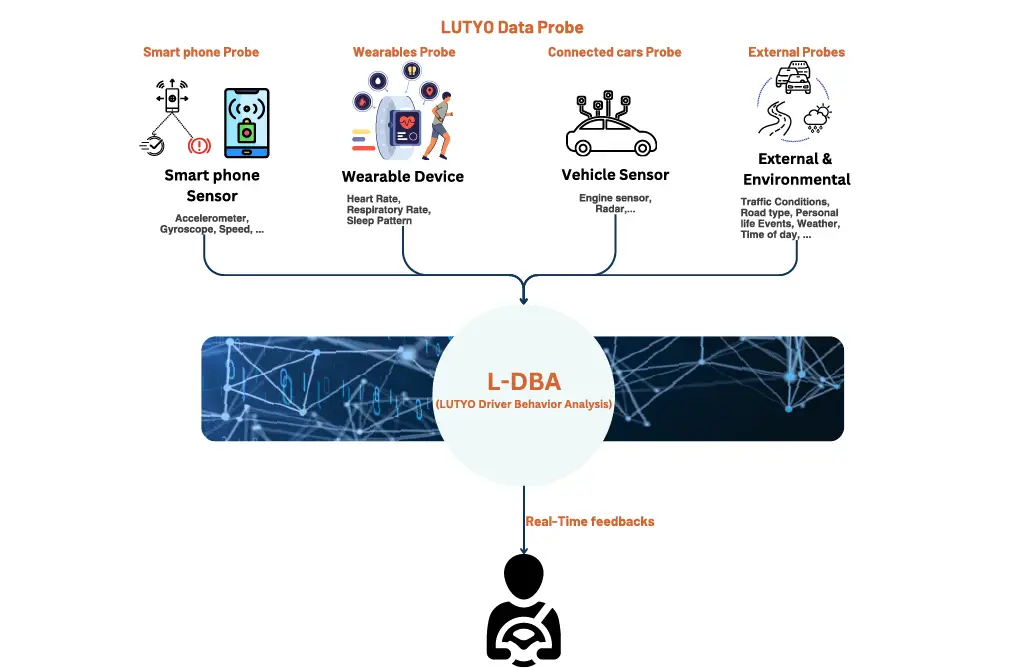
Probes on the hardware a vehicle already carries feed L-DBA, which returns real-time feedback. Anonymised signals from many vehicles then form L-IMN — the network layer.
03 — Deployment
No requirement for a smartphone, and no new hardware to buy. The edge model deploys three ways.
The data collection app runs on the hardware drivers already carry.
Embed the edge model on the telematics unit or the vehicle's own compute.
Partners integrate the model through SDKs and pull anonymised intelligence over APIs.
04 — Edge inference
Inference happens on the device, not in a data centre. That keeps latency low, works when the network doesn't, and means raw data never has to be uploaded to be understood.
Decisions happen in the moment, on the device, with no round-trip to the cloud.
Profiling continues through tunnels, dead zones, and dropped connections.
The signal is understood where it is created, so it never has to leave to be useful.

We build our edge AI inside NVIDIA Inception, NVIDIA's programme for AI startups.

05 — Privacy architecture
Two mechanisms carry the promise: a key only you can unlock, and a device boundary that strips identity before anything leaves.
See it in practice
Talk to us about a pilot — the same stack, on the hardware your drivers already carry.